
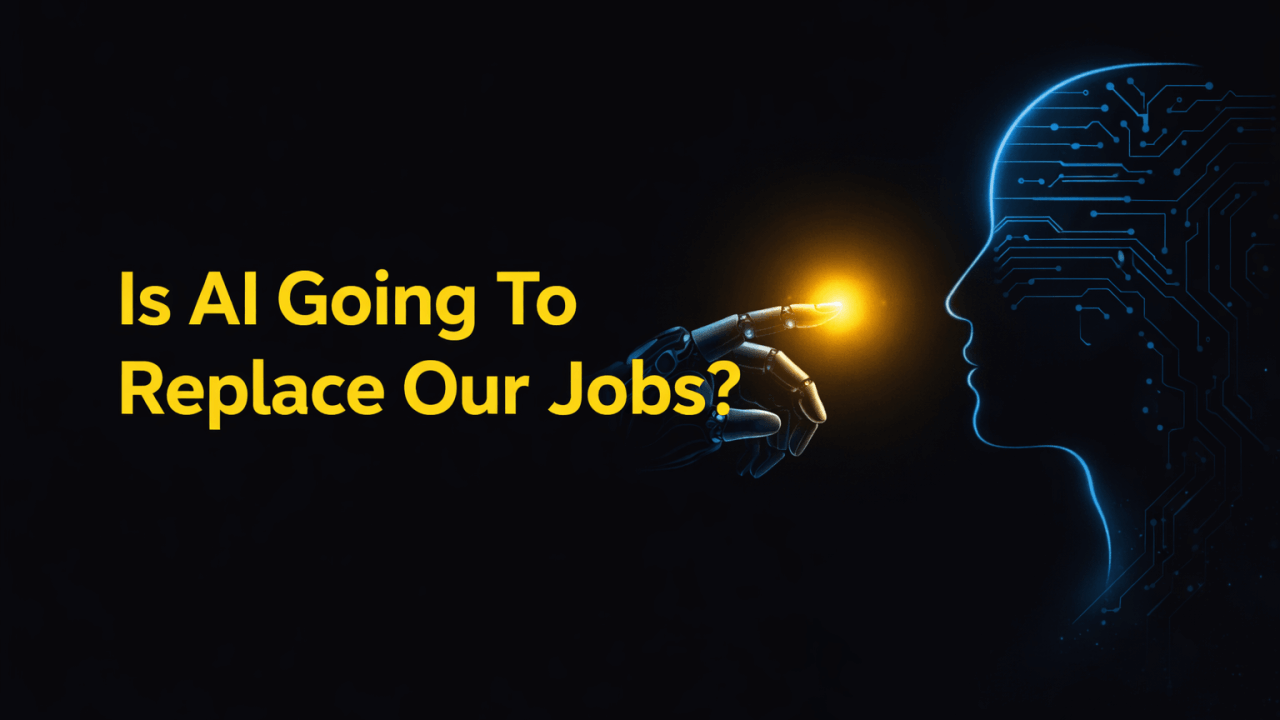
For the last few years, this question has sparked countless debates in boardrooms, classrooms, living rooms, and coffee shops around the world.
The rise of Artificial Intelligence — with its ability to analyse data, create content, write code, generate images, and automate tasks — has left many wondering:
Are we on the brink of a massive jobless crisis across industries, geographies, and functions?
The recent launch of Anthropic Cowork has further fuelled this debate. Amid discussions around the “superhuman” capabilities of AI, an underlying fear persists:
Are we heading towards widespread job losses, unemployment, and unforeseen threats?
Here is my perspective.
While fears of job displacement loom large, history consistently tells us a different story. Technological advancements have never been the harbinger of mass joblessness. Instead, they have served as catalysts for new industries, new roles, and unprecedented opportunities.
From the loom to the microchip, every wave of innovation has sown the seeds of progress, prosperity, and transformation.
Consider the Industrial Revolution. Machines began doing the work of dozens of people. Was there fear? Absolutely. But did humanity crumble under mass unemployment?
Quite the opposite.
We adapted, evolved, and industries flourished. Technology didn’t replace humans; it transformed the way we worked, unlocking new possibilities and improving our quality of life.
AI is no different.
Yes, it can analyse data faster than any human, write content with impressive fluency, generate images, and even scan websites to produce insights.
But here’s the key:
AI handles tasks — not roles.
It automates repetitive, time-consuming activities, freeing us to focus on creativity, strategy, and emotional intelligence — areas where human expertise remains unparalleled.
Across sectors, AI is already acting as an enabler.
In healthcare, diagnostics are becoming faster and more accurate. In education, learning is becoming more personalised. In governance and policy, data-driven insights are improving decision-making.
AI-driven diagnostics don’t replace doctors; they assist them in making better and faster decisions. Automated data analysis doesn’t eliminate analysts; it allows them to focus on interpretation and strategy.
Technology doesn’t replace professionals. It empowers them.
Technology evolves. Human nature does not.
Our empathy, creativity, critical thinking, and emotional intelligence cannot be coded into algorithms.
Instead of fearing AI, we should embrace it as a partner — one that manages the mundane and gives us more space to innovate, dream, and build.
The computer revolution didn’t just create jobs in hardware and software. It gave birth to entire ecosystems — IT services, cybersecurity, digital marketing, tech education, research, and consulting.
AI holds the same potential.
We will see growing demand for roles focused on:
New industries will emerge around personalised healthcare, smart cities, climate solutions, autonomous mobility, advanced robotics, precision agriculture, and financial technology.
As AI takes over routine tasks, the value of human creativity, judgment, and emotional intelligence will only grow.
So, is AI going to create joblessness?
History, logic, and human resilience suggest otherwise.
Just as the computer revolution opened doors we never knew existed, AI will do the same — ushering in an era of greater productivity, improved quality of life, and new possibilities.
Let’s not fear the future.
Let’s shape it.
© 2026 All Rights Reserved